Nagoya Beyond the Guidebooks: A Different Way to Discover Japan
When people visit Japan for the first time, Nagoya is rarely at the top of their list.
Tokyo gets the attention.
Kyoto gets the history.
Osaka gets the food.
Nagoya often gets…
a brief view from the Shinkansen window.
But I think that is unfortunate.
I lived in Nagoya for a period of time, and living somewhere teaches you things that an ordinary sightseeing trip cannot.
You begin to notice everyday culture.
You discover what people eat.
You hear local expressions.
You experience the roads.
You find places tourists rarely think about.
And occasionally, you find yourself asking:
“Why?”
That is the Nagoya I wanted to write about.
What Makes Nagoya Different?
Nagoya has a surprisingly distinctive local culture.
One of the first things visitors may notice is the city’s strong café culture.
Order coffee in the morning and you may receive breakfast with it.
Then there is the food.
Red miso has an enormous presence in Nagoya cuisine.
Hitsumabushi offers a completely different way to experience grilled eel.
And local specialties appear everywhere.
But food is only part of the story.
Nagoya also has its own language and expressions.
One particularly memorable example is “ketta machine.”
What is it?
I’m not telling you here.
Look it up.
That’s part of the fun.
A City Connected to Japanese History
Nagoya is also an interesting place for anyone curious about Japanese history.
Nagoya Castle is one of the city’s most recognizable landmarks, and the wider region has deep connections to Japan’s Sengoku period.
Even travelers who know very little about Japanese history may encounter names that appear again and again.
Instead of memorizing them from a textbook, why not discover them while traveling?
Sometimes curiosity is a better teacher than explanation.
And Then There Is Nagoya-bashiri
Driving in Nagoya gave me another perspective on the city.
There is even a well-known expression associated with certain driving behaviors:
“Nagoya-bashiri.”
As someone with experience driving on a racetrack, I found the contrast rather interesting.
A racetrack is a racetrack.
A public road is not.
That should be obvious.
Apparently, it isn’t always.
An Airport With a Bath
Chubu Centrair International Airport was the airport I often used while living in Nagoya.
Compared with major international airports such as Haneda or Kansai, I appreciated its quieter atmosphere and convenient access.
But one feature made it particularly memorable for me.
The bath.
After spending time overseas using nothing but showers, returning to Japan and soaking in a large bath feels wonderful.
And at Centrair, you can even watch airplanes while enjoying the experience.
For me, it represents one of the parts of Japanese culture I genuinely appreciate.
This Is Not a Normal Travel Guide
My new Kindle book, First Time in Japan: What Guidebooks Don’t Tell You — Nagoya, is not designed to tell you exactly what to do every minute of your trip.
There are already plenty of guidebooks that can do that.
Instead, I wanted to show Nagoya through personal experience, cultural differences, humor, and curiosity.
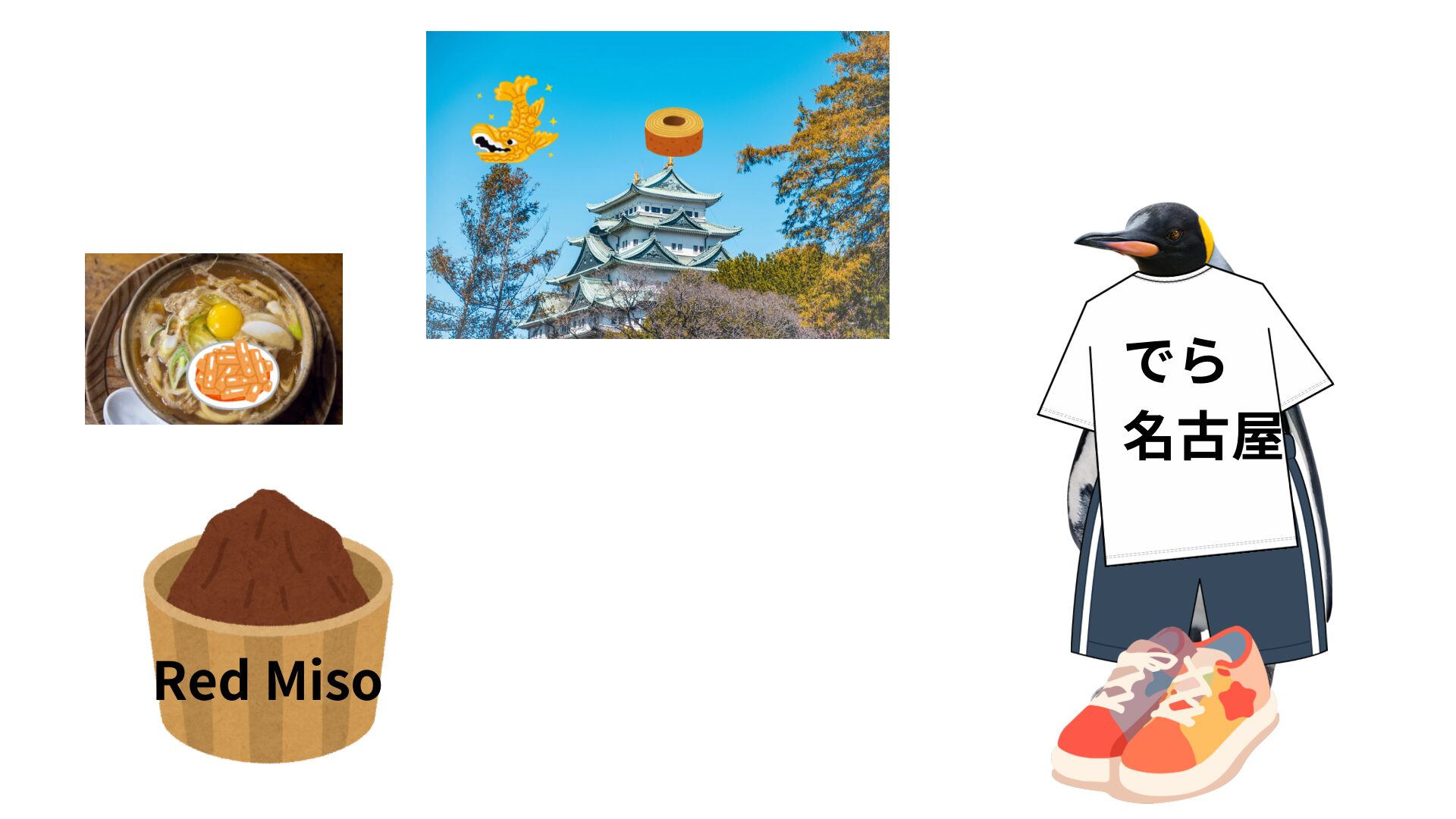
The illustrations are part of that idea.
Sometimes they explain something.
Sometimes they make things even more confusing.
That is intentional.
If you see a Japanese word you don’t understand, look it up.
If you see a historical person you don’t recognize, find out who they are.
If you see something floating somewhere it definitely should not be…
Well…
You should probably investigate that too.
Near the end of the book, some famous representatives of Nagoya receive a very Japanese experience.
A large public bath is involved.
That’s all I’m saying.
Welcome to Nagoya.
And welcome to a travel guide where not everything is explained for you.